
The Pet Robots
What is a pet robot?
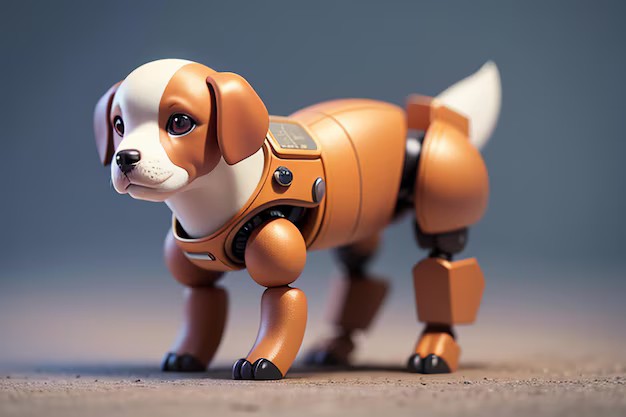
A pet robot is a technological creation designed to imitate the behavior, appearance and sometimes emotions of real animals. These robots can take the form of dogs, cats, birds or even more exotic creatures. Equipped with advanced sensors, artificial intelligence and connectivity, they are able to respond to their environment, recognize their owners and interact with them intuitively.
The benefits of animal robots
-
Unlike real animals, robots do not require food, grooming or veterinary care. They are ideal for allergy sufferers or those living in dwellings where traditional animals are banned.
-
Many models are designed to provide emotional comfort, especially to the elderly or isolated. They can even be programmed to meet specific needs, such as reminding you of medication.
-
Une expérience personnaliséeModern robots can learn the preferences and habits of their owners, adapting their behavior accordingly. They can be programmed to play, do tricks or just keep company.
-
An ecological solution For those who wish to reduce their ecological footprint, an animal robot represents an alternative without impact on wildlife and ecosystems.
What are the limits of pet robots?
-
Absence of a genuine link
Despite their ability to simulate behaviors and interact, robots remain machines devoid of real spontaneity or real emotions. They cannot offer the sincere emotional attachment that a living animal is capable of creating with its owner -
High cost
Unlike consumer electronics such as smartphones, animal robots are often produced in limited quantities. This small output does not allow for the full benefit of economies of scale, making each unit more expensive. -
Maintenance and updates
Some robots require regular software updates or physical maintenance, which can increase the overall cost, even after the initial purchase. In short, although their price may seem high, it reflects the engineering, research, and materials involved in their design. With increasing time and demand, it is possible that these costs will decrease, making these robotic companions more accessible to the general public.
The Future of Pet Robots
The future of pet robots looks exciting, combining advanced technology and human emotions. As company robots begin to find their way into the market, future innovations promise increasingly realistic and interactive experiences. These robots, which mimic animal behavior and traits, are designed to offer a companion without the constraints of live animals, such as allergies or constant care.
In the coming years, pet robots will be equipped with more sophisticated artificial intelligences that can understand and respond to human emotions. With advanced sensors and algorithms, these robotic companions will be able to detect signs of stress, boredom or happiness in their owners, thereby adjusting their behaviour accordingly. They can also be programmed to play, play or even provide some emotional comfort in case of loneliness or stress.
The building materials of pet robots will also evolve to be softer and pleasant to the touch, simulating natural textures such as fur or skin. They could integrate health and wellness functions, such as body temperature detection or mood management.
The future of pet robots could also revolutionise assistance for the elderly or those with disabilities, offering them a reassuring presence and emotional support. These robots could replace certain therapeutic animals, while being easier to maintain and control.

Who are pet robots for?
Older people: Pet robots are particularly beneficial for the elderly living alone. These robots can offer a reassuring company, alleviate loneliness and improve quality of life. In addition, they can be programmed to detect signs of depression or anxiety, and provide emotional support when needed.
People with disabilities: For those who have difficulty caring for live animals because of their physical or mental limitations, animal robots can provide an emotional presence without the practical requirements of a real animal. They can also help in everyday tasks, such as reminding you to take medication or provide emotional support.
Families with young children: Animal robots can be an ideal solution for families wishing to offer their children a companion of an animal, but without the responsibilities associated with a real pet (such as food, care and allergies). These robots can also help teach children the responsibility of caring for a living being in a playful way.
Allergic people: Individuals with animal hair allergies or breathing problems can find a pleasant alternative to a real animal in pets, while benefiting from the company of a “fair friend” without the risk of allergies.
Technology enthusiasts: For new technology enthusiasts, pet robots represent an innovative experience, combining entertainment, interaction and technological development. Users can explore advanced features, such as artificial intelligence and interactive behavior systems.

People looking for a maintenance-free companion: Some people like the idea of an animal's companion without the daily maintenance constraints, such as food, grooming or walks. Pet robots, which are easy to maintain, offer a practical solution to this need.
In short, pet robots cater to a wide variety of audiences, ranging from the elderly to families with children, to those seeking an alternative to live animals due to physical constraints, allergies or lack of time. They meet emotional needs while simplifying the practicality of owning an animal.
Sell on our marketplace
Our marketplace allows you to benefit from many features specifically designed to increase your sales and increase the engagement of your community. Our team is here to accompany you along the way on CapturePlace. Whether you need help setting up your shop or advice on how to improve your sales, we are at your disposal to offer you personalised support.
Open your shop for free
Your success is just a click away.
Posted in:
Artificial intelligence
Related posts
-
 How does AI promote the spread of misinformation?
Artificial intelligence (AI) has revolutionized the way we consume and share information. However, there is growing...
How does AI promote the spread of misinformation?
Artificial intelligence (AI) has revolutionized the way we consume and share information. However, there is growing... -
What is Sora?
With Sora, you can generate videos up to one minute in cinematic quality. The model produces dynamic virtual cameras...
-
OpenAI prepares initial public offering
The company hopes to achieve a valuation of approximately $1,000 billion during the IPO, one of the largest IPOs in...
-
Meta acquires a Chinese AI startup
The estimated amount of Meta’s acquisition of Manus has not been officially disclosed, but according to several...
-
What is an AI agent?
Where a chatbot will explain how to do it, the AI agent will actually do it for you. It can search for information,...
Leave a comment
Login to post comments